Developing an E-Paper Dashboard with Arduino and the reTerminal E1001

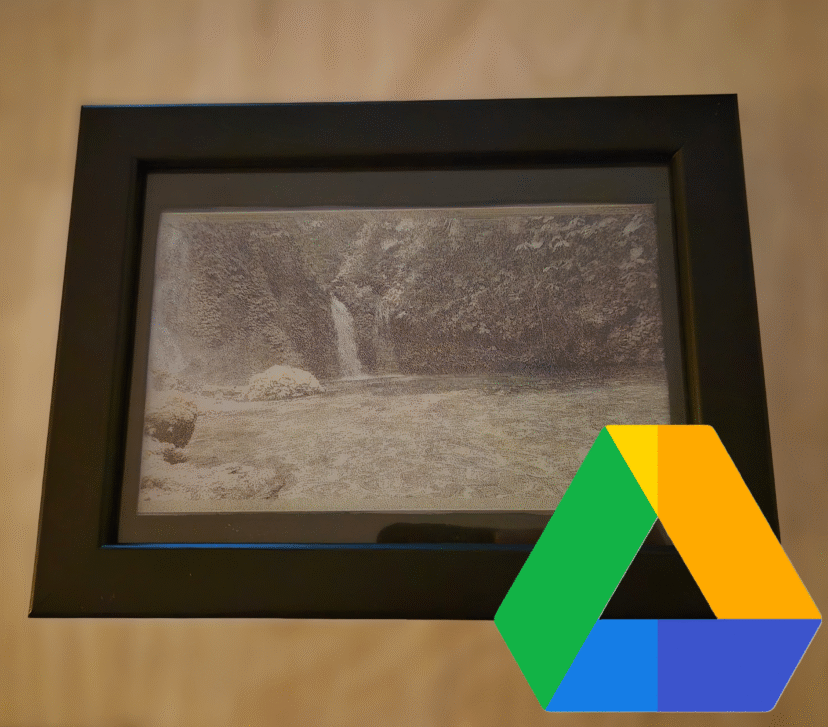
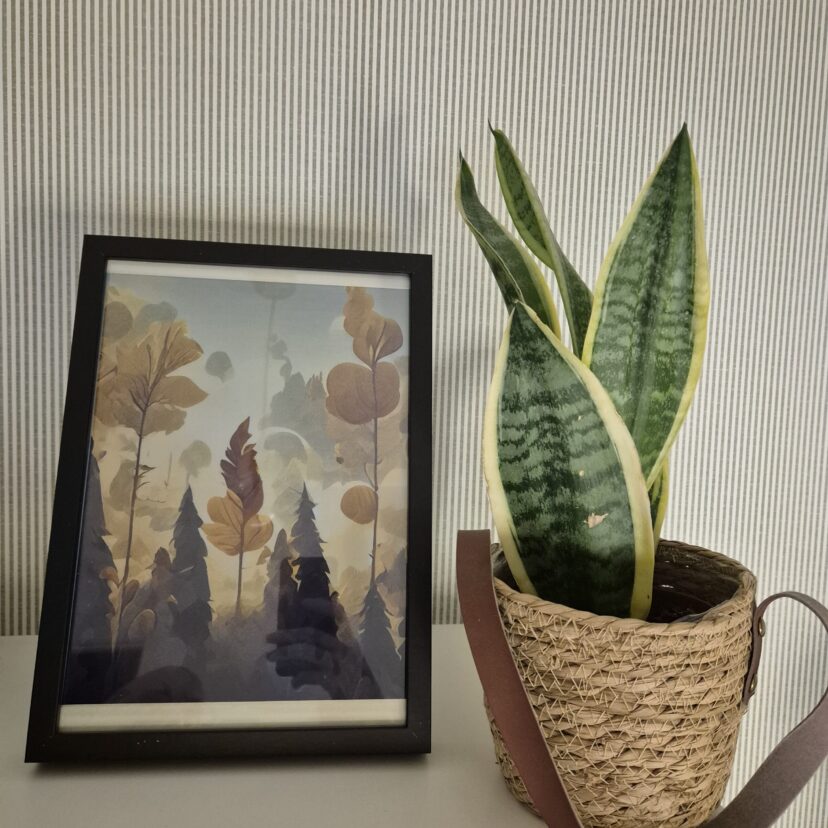
I've always wanted a device at home for a long time that would let me see at a glance, every morning while I have my coffee, what I need: the weather, my upcoming events, and some sensor data. I tried several solutions until I discovered a device that was perfect for this purpose. It saved me a lot of time in hardware development and was fully customizable to suit my needs. I'd like to share the development of my small project using the reTerminal E1001 e-paper display hardware from Seeed Studio. In this post, I will discuss the display's hardware, how I used the Arduino IDE to program it, the architectural schematic I followed, and the tools I used for the graphical design. I…

9 Comments

How to measure RF Power with AD8319 RF Meter and Attenuators

IntroductionThe RF power meter is the key tool for calibration and quality control in my radio frequency projects.When working with RF equipment, we often need to know the output power of our system. This serves multiple purposes: from validating the state of the output to confirming that the transmission power is within a valid range (useful if we have to perform certification processes, for example).I arrived at this solution after analyzing various RF power measurement systems and finding one that was quite economical, functional, and very simple (without the need for any desktop applications).First, it's important to understand how RF system power measurement works. It's usually measured in Watts and indicates the amount of energy being transmitted/received per unit of time (1 W…

0 Comments

Getting Started with ESP32: ESP-IDF GitHub Examples Explained

INTRODUCTION When I started working with the ESP32 and its ESP-IDF framework, I found myself stuck and facing numerous problems when trying to develop even the most basic tasks: How do you initialize an I2C bus? How do you program a periodic timer? All of these questions kept coming up until I discovered how to make use of the documentation provided and look at simple examples to learn how to perform the most basic tasks with ESP-IDF, and then scale my project from there. Keep reading to find out how to get started with ESP-IDF in a practical way. INSTALLATION (You can skip this section if you’re already familiar with it.) The first step is to install ESP-IDF using the IDE you prefer.…

0 Comments

Secure Bootloader Design: A Complete Guide for Embedded Systems

INTRODUCTION The bootloader is a very important part of embedded systems. It doesn’t always have to be present, but in most commercial embedded products it’s an essential component. Keep reading and I’ll explain why. A bootloader is essentially an additional piece of firmware, separate from our main application that we program into the device through a programmer (for example via JTAG) to handle very specific tasks like mainly updating the system so we don’t have to rely on JTAG programming once the device is deployed in the field. It’s often said that it’s the first piece of code executed by the microcontroller, which isn’t entirely accurate. What we (as users) typically flash is the User Bootloader. Meanwhile, the chip manufacturer usually preloads a…

0 Comments

Why did I start using Dreamsourcelab Logic Analyzer?

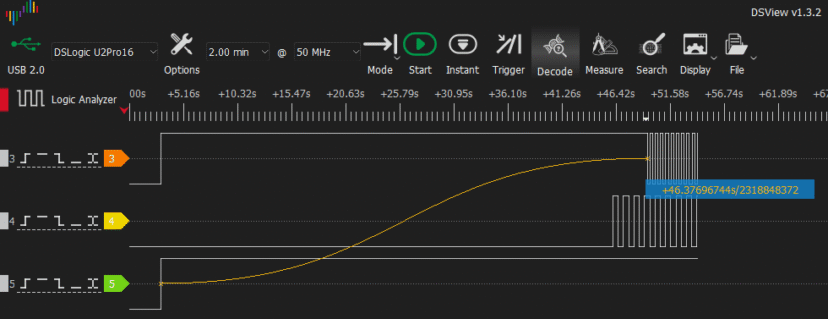
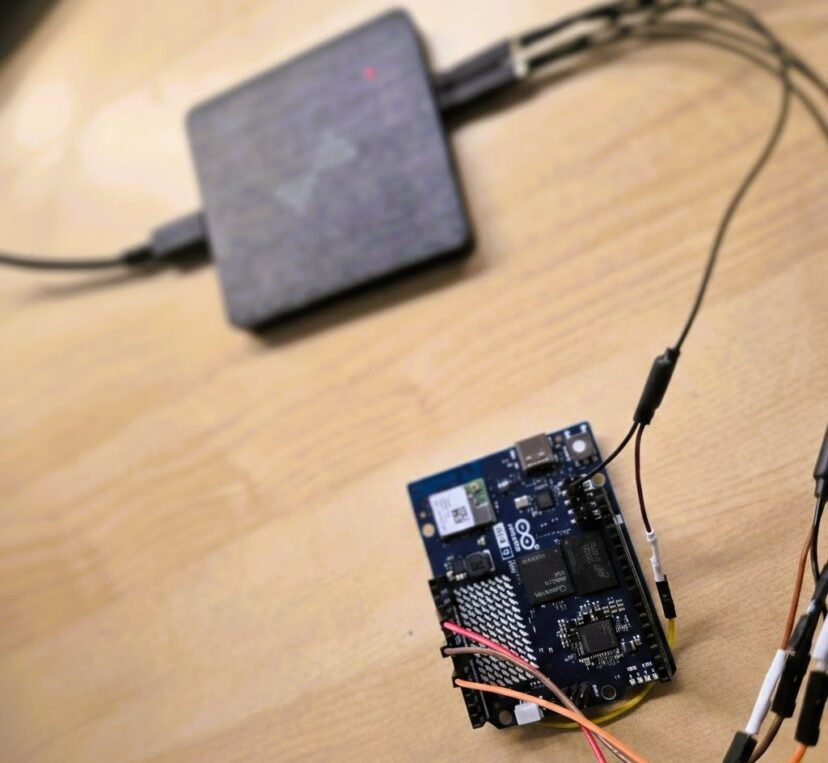
INTRODUCTIONLogic analyzers are a basic tool in any electronics lab. They serve many purposes: from debugging errors, measuring timing between different processes, checking and sniffing communications and even identifying signals on a PCB.Throughout my career I’ve worked with different types of logic analyzers: from high-end devices like Saleae, to very cheap ones that cost around €10–15.My recommendation here is to always avoid those very low cost analyzers. When you’re trying to debug one of those annoying bugs that can take you more than a day to find, the last thing you need is to doubt whether your logic analyzer is working properly.On the other hand, analyzers like Saleae work flawlessly. Their hardware, probes, and software are excellent, but I think they’ve become too…

2 Comments