How to measure RF Power with AD8319 RF Meter and Attenuators

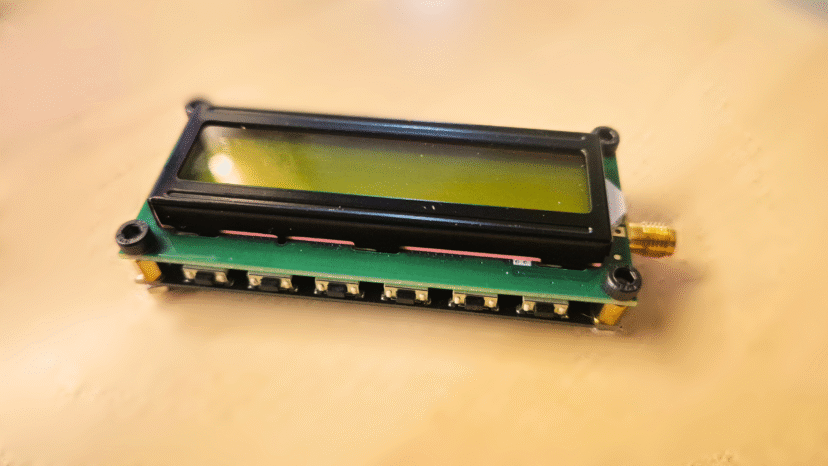
IntroductionThe RF power meter is the key tool for calibration and quality control in my radio frequency projects.When working with RF equipment, we often need to know the output power of our system. This serves multiple purposes: from validating the state of the output to confirming that the transmission power is within a valid range (useful if we have to perform certification processes, for example).I arrived at this solution after analyzing various RF power measurement systems and finding one that was quite economical, functional, and very simple (without the need for any desktop applications).First, it's important to understand how RF system power measurement works. It's usually measured in Watts and indicates the amount of energy being transmitted/received per unit of time (1 W…

0 Comments

WHY DID I START USING DREAMSOURCELAB LOGIC ANALYZERS?

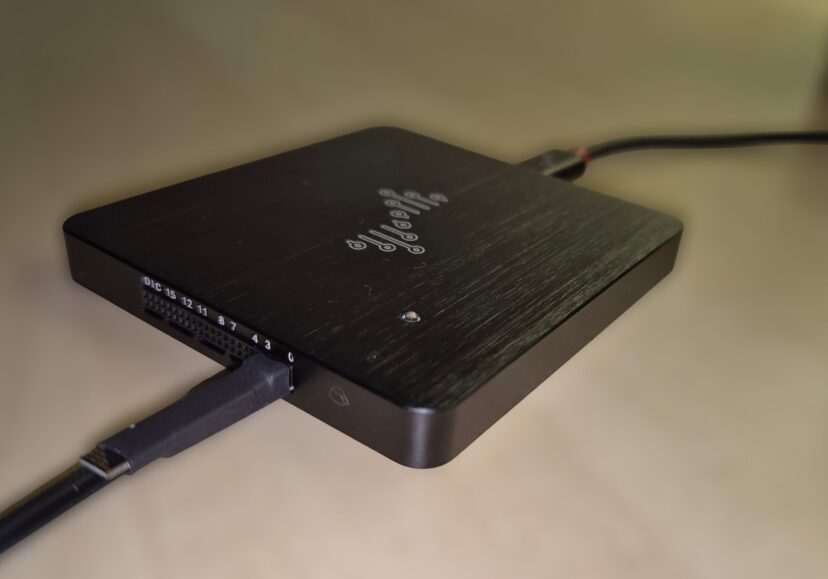
INTRODUCTIONLogic analyzers are a basic tool in any electronics lab. They serve many purposes: from debugging errors, measuring timing between different processes, checking and sniffing communications and even identifying signals on a PCB.Throughout my career I’ve worked with different types of logic analyzers: from high-end devices like Saleae, to very cheap ones that cost around €10–15.My recommendation here is to always avoid those very low cost analyzers. When you’re trying to debug one of those annoying bugs that can take you more than a day to find, the last thing you need is to doubt whether your logic analyzer is working properly.On the other hand, analyzers like Saleae work flawlessly. Their hardware, probes, and software are excellent, but I think they’ve become too…

1 Comment